

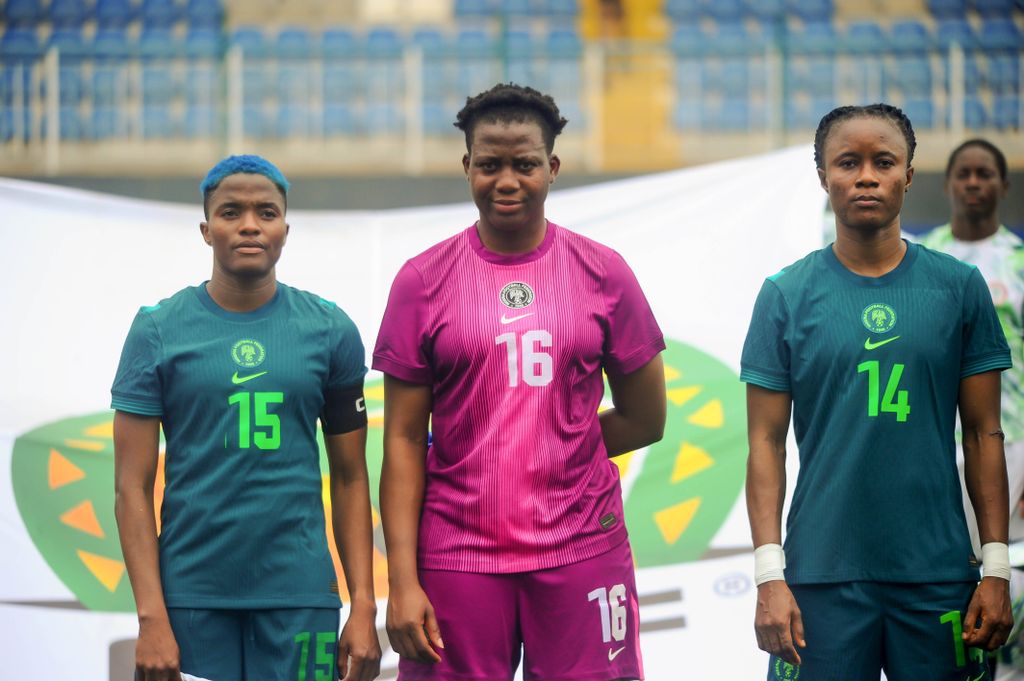
Nigeria’s title defence at the 2026 Women’s Africa Cup of Nations began in the worst possible way as the Super Falcons suffered a stunning 3-2 defeat to tournament debutants Malawi at Al Madina Stadium in Rabat, Soccernet.ng reports.
The defending champions controlled long periods of the first half but failed to turn possession into goals. Malawi punished every major defensive mistake after the break through the brilliant Chawinga sisters.
Temwa Chawinga opened the scoring in the 69th minute before Tabitha Chawinga doubled the lead five minutes later. Rasheedat Ajibade converted a penalty in the 92nd minute to give the Falcons hope, but Temwa restored Malawi’s two-goal advantage in the 95th minute after a devastating counterattack. Uchenna Kanu’s goal in the 98th minute came too late to prevent easily the biggest upset in WAFCON history.
The defeat leaves Coach Justin Madugu’s side under immediate pressure ahead of a crucial Group C clash against Zambia, while Malawi have announced themselves as genuine contenders with a fearless performance on their tournament debut.
Here are the key takeaways from the memorable encounter.
Nigeria’s transition defending completely fell apart
The biggest lesson from the defeat was Nigeria’s inability to stop Malawi’s quick counterattacks.
For much of the first half, the Super Falcons pushed their full-backs high and committed numbers forward. However, every time possession was lost, Malawi found huge spaces behind Nigeria’s defence. The Chawinga sisters repeatedly attacked those gaps with their pace, leaving the Nigerian centre-backs exposed without enough protection from midfield.
Temwa Chawinga’s opening goal came after another fast transition, while her second goal in stoppage time perfectly summed up Nigeria’s problems. She raced through after a counterattack, chipped the goalkeeper with an excellent finish.
These defensive issues become even more worrying with Zambia waiting next. The Copper Queens possess another world-class attacking threat in Barbra Banda, and Nigeria cannot afford to leave similar spaces if they hope to keep their title defence alive.
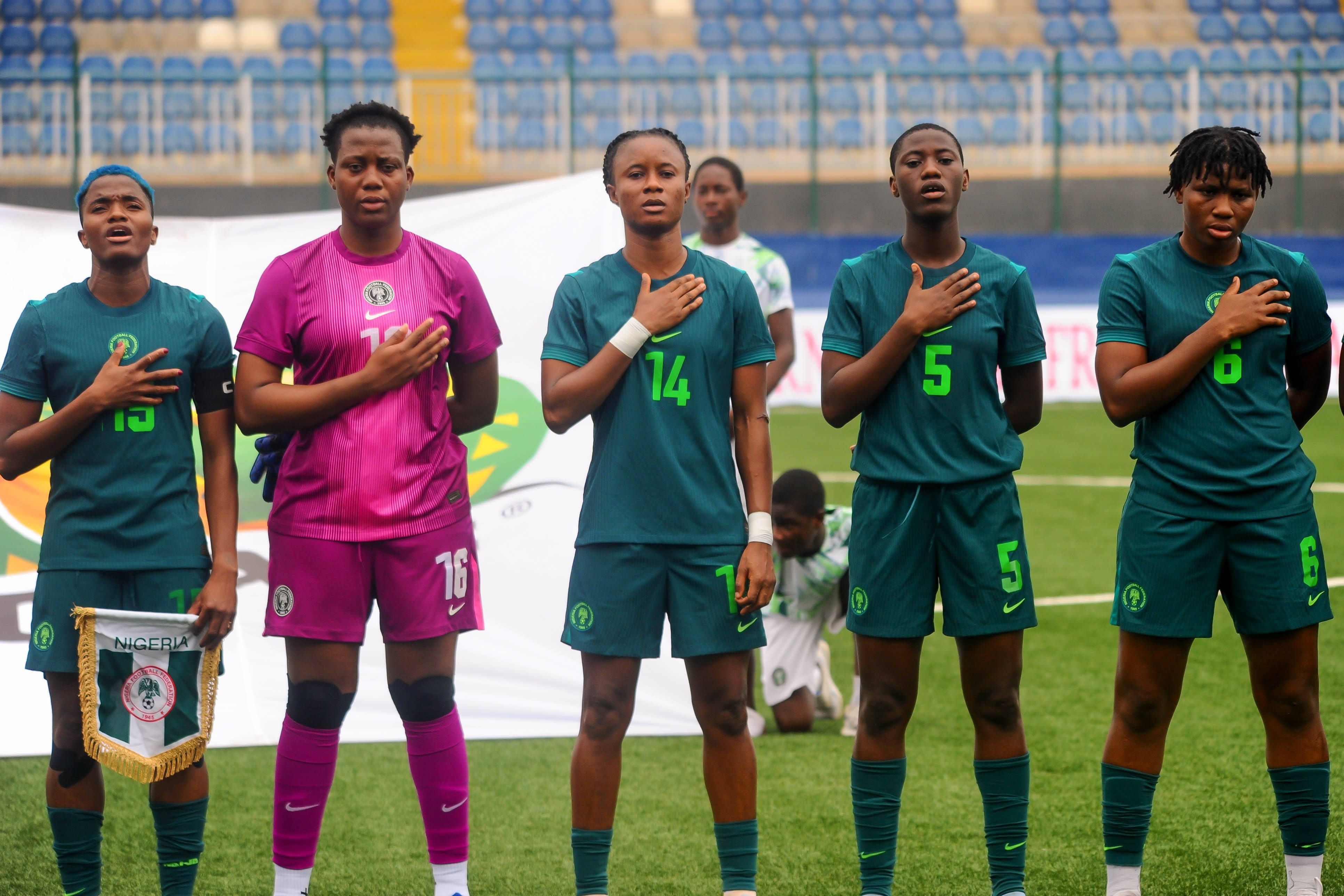
Dominating possession means nothing without clinical finishing
Nigeria had plenty of the ball but rarely looked dangerous enough in front of goal. The Super Falcons controlled possession during the opening 45 minutes, pinned Malawi inside their own half and delivered numerous crosses into the penalty area. Yet the final pass, movement and finishing were missing whenever chances appeared.
Malawi remained disciplined inside a compact defensive block led by Rose Alufandika and refused to panic despite sustained pressure. Their aggressive pressing also forced Nigeria into rushed long balls that rarely troubled the Scorchers’ defence.
By the time Ajibade scored from the penalty spot deep into stoppage time, Nigeria were already chasing the game. Teams with championship ambitions cannot rely on late drama every match. Converting early chances would have forced Malawi to abandon their defensive shape and opened far more space for Nigeria’s attackers.
Justin Madugu’s decisions will face serious scrutiny
The defeat has also raised difficult questions about Nigeria’s tactical approach and in-game management. Starting veteran defender Osinachi Ohale against two of Africa’s quickest forwards proved costly as Malawi consistently targeted the space behind the Nigerian back line. While Ohale’s experience remains valuable, the pace of Temwa and Tabitha Chawinga created problems throughout the match.

Madugu also delayed introducing six-time African Player of the Year Asisat Oshoala until the 83rd minute despite Nigeria trailing by two goals. By then, Malawi had settled into a deep defensive block, giving the experienced striker little time to influence the contest.
There were also calls for earlier attacking changes and greater tactical flexibility after halftime. Nigeria continued to rely on similar attacking patterns even as Malawi comfortably defended crosses and long passes. With Zambia next, the coaching staff may need quicker adjustments if matches begin to slip away.
Poor preparation showed throughout the performance
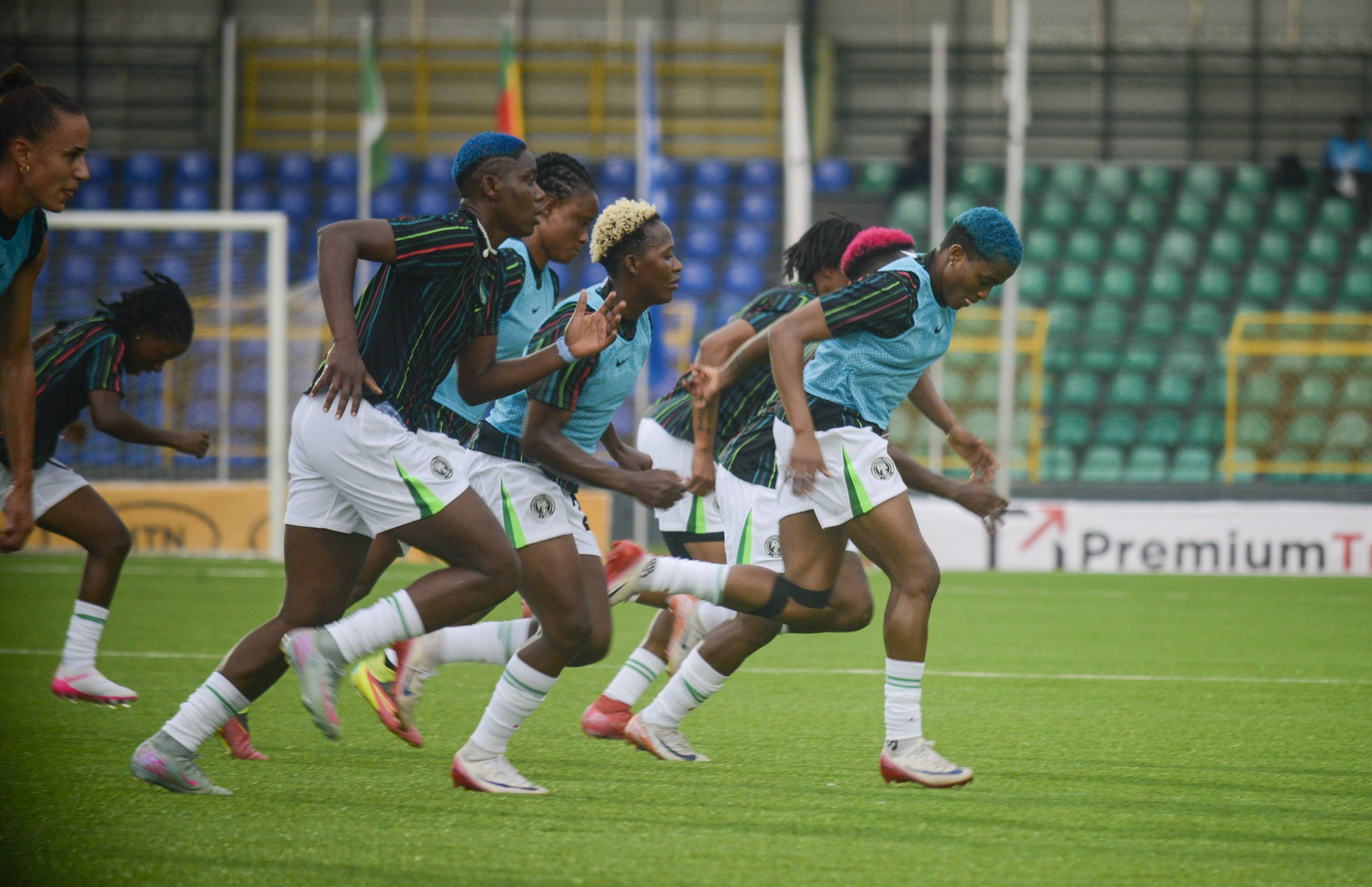
Nigeria’s lack of rhythm suggested deeper problems that started long before kickoff in Rabat. The Super Falcons entered camp with players arriving in stages rather than together, limiting opportunities to build chemistry during training. Defensive partnerships and midfield combinations never looked fully settled during the match.
Nigeria also entered the tournament without enough high-level friendly matches to test the squad against strong opposition. That lack of preparation became obvious as passing sequences frequently broke down, overlapping runs lacked timing and attacking combinations appeared predictable.
The disconnect between defence, midfield and attack allowed Malawi to stay organized and wait patiently for opportunities to counter. Tournament football often punishes teams that are not fully prepared, and Nigeria paid a heavy price.
Malawi have rewritten WAFCON history
Beyond Nigeria’s disappointing performance, this result belongs in the history books. Before this match, Nigeria had never lost to a tournament debutant in WAFCON history. The Super Falcons entered with a record of 16 wins and one draw against first-time participants. Malawi became the first newcomers ever to defeat Africa’s most successful women’s national team.
The achievement becomes even more remarkable considering the contrast between both teams. Nigeria are 10-time African champions and entered Morocco as defending champions. Malawi were playing their first-ever WAFCON match.
Rather than relying on luck, the Scorchers earned the victory through disciplined defending, fearless pressing and clinical finishing. Temwa Chawinga scored twice, Tabitha Chawinga added another goal and both sisters consistently troubled Nigeria’s defence throughout the evening.
The Super Falcons still have time to recover, but their margin for error has disappeared. Their meeting with Zambia now carries enormous importance if the reigning champions are to keep their hopes of retaining the continental title alive.
