

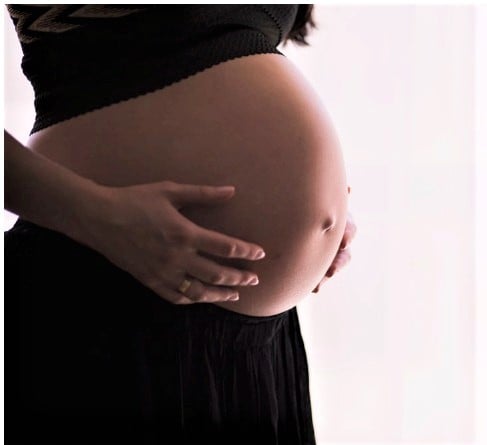
Maternal health experts have advised women who delivered their babies through caesarean section to wait at least 24 months before conceiving again, warning that the healing womb scar from the surgery needs adequate time to recover properly.
They noted that pregnancies occurring too soon after CS could weaken the uterine scar and increase the risk of anaemia, postpartum haemorrhage, poor foetal growth, preterm birth, and stillbirth, among other complications for the baby.
In interviews with PUNCH Healthwise, the gynaecologists stated that while some women who had vaginal delivery and close-spaced pregnancies may appear to cope well, those with a history of CS are medically classified as high risk.
They further emphasised the need for healthcare providers to make postpartum contraceptive counselling a default part of care rather than an optional discussion.
The specialists urged women to steer clear of unclear social media trends that affected their health and ensure they get evidence-based information.
PUNCH Healthwise earlier reported that the growing social media trend of having children in quick succession, popularly referred to as two-under-two, could add to Nigeria’s already high maternal mortality ratio and strain the country’s overstretched healthcare system.
According to the United Nations Children’s Fund, child spacing refers to the interval between births, with optimal spacing recommended at two to three years.
The WHO also advises waiting at least 24 months after a live birth and six months after a miscarriage or abortion before attempting another pregnancy.
Speaking with PUNCH Healthwise, a Professor of Obstetrics and Gynaecology at the University of Uyo, Prof. Aniekan Abasiattai, stated women who have delivered by caesarean section, the integrity of the uterine scar was a critical factor that made adequate spacing a non-negotiable clinical requirement.

The professor further said women who have a caesarean delivery and become pregnant too soon are often denied the opportunity of vaginal birth after caesarean because of fear that the scar may rupture.
“For those who have had caesarean deliveries, the incision made in the womb to deliver the baby must heal properly. Anything that causes a weak scar in the womb means that if the woman attempts a vaginal delivery in the next pregnancy, that scar may rupture. There has to be enough time for that scar to heal well and be sound enough. Otherwise, the woman is going to have a ruptured uterus. If you did not space that birth, no obstetrician will allow you to attempt vaginal delivery. It is a straightforward elective caesarean section. So, the advice is at least 24 months,” he said.
The foeto-maternal medicine specialist warned that women who become pregnant too soon after childbirth are more likely to develop anaemia, gestational diabetes, placental problems, and postpartum bleeding.
“Women who are anaemic tend to succumb earlier to postpartum haemorrhage, when they tend to bleed after delivery.
“They’ve also been shown to have a higher chance of developing premature separation of the placenta. All of a sudden, the placenta tends to separate before labour starts, and the woman bleeds inside the womb, causing adverse problems to the baby, which could result in the death of the baby,” he said.
Abasiattai added that short birth spacing also prevents women from recovering physically before another pregnancy.
“When a woman gains a minimum of about 12.5 kilograms during the course of pregnancy, the woman needs to gradually lose that weight, you know, over time, and prepare for the next pregnancy.
“So, she may go into the next pregnancy with a high body mass index, relatively high weight, and with all these recorded complications during pregnancy,” he added.
Also speaking, a Professor of Obstetrics and Gynaecology at the Usmanu Danfodiyo University, Sokoto, Prof. Abubakar Panti, described short birth interval as a major public health issue in Nigeria.

He warned that women who conceive shortly after a caesarean section may suffer incomplete healing of the uterus, adding that women who also have pelvic floor damage without adequate recovery or healing may suffer persistent pelvic floor damage.
Panti stated that women should ideally wait at least 24 months after childbirth before becoming pregnant again to allow complete healing and maternal recovery.
“A woman should wait at least 24 months after a birth before getting pregnant again. Meaning that at the end of the day, you should have three years between births,” he said.
Panti noted that pregnancies occurring too soon after childbirth place enormous stress on mothers, especially those still breastfeeding.
“If the mother is currently pregnant and is breastfeeding a baby that is less than 24 months, that will be so stressful on her, and it can cause harm to the baby in her tummy.
“That can lead to higher chances of preterm birth. It can lead to intrauterine growth restriction, meaning that the baby within her is not growing well, which can also lead to low birth weight and sometimes stillbirth and neonatal death,” he said.
He blamed poor contraceptive uptake, cultural expectations and pressure to complete childbearing early as factors fuelling the trend.
The professor noted that some women who marry late or struggle with infertility may intentionally avoid spacing pregnancies because they fear reduced fertility with age.
The maternal health expert stressed that postpartum family planning remains one of the most effective ways to prevent close pregnancies and associated complications.
“Routine postpartum contraception counselling is very important.
“Let’s make family planning a default, not an optional thing. If we can just say everybody who just delivers must be on family planning, it will help the healthcare system,” he said.
Panti also urged the media and healthcare workers to intensify public education on the dangers of short birth spacing, especially after caesarean delivery.
Copyright PUNCH
All rights reserved. This material, and other digital content on this website, may not be reproduced, published, broadcast, rewritten, or redistributed in whole or in part without prior express written permission from PUNCH.
