

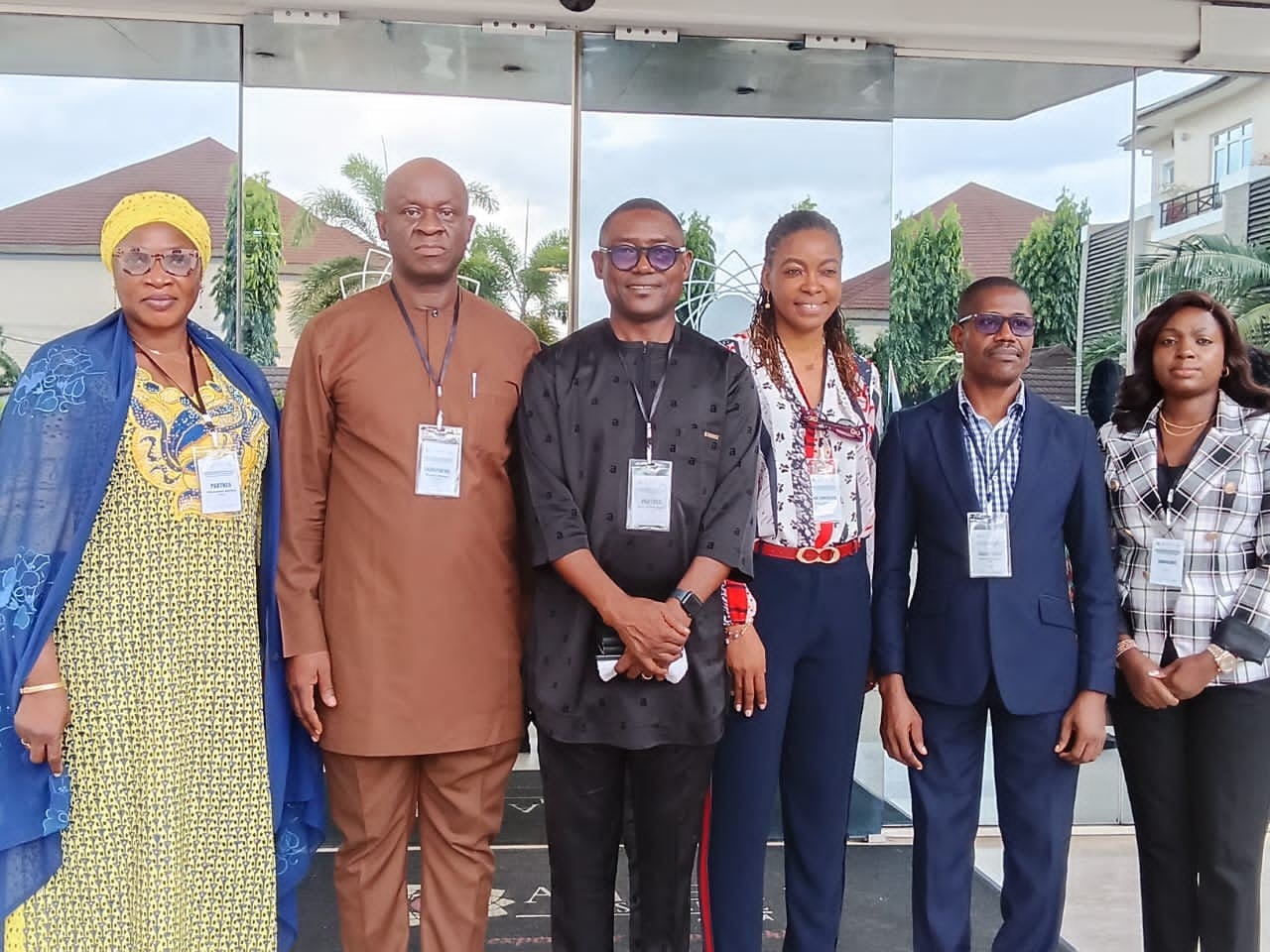
Janet Ogundepo
The Federal Government has stepped up efforts to strengthen Nigeria’s pharmaceutical industry by providing technical support to indigenous manufacturers to enhance medicine security and improve their competitiveness in global markets.
The intervention, implemented through the National Institute of Pharmaceutical Research and Development in collaboration with the National Malaria Elimination Programme and supported by the World Bank, is aimed at helping local firms achieve World Health Organisation prequalification, a key requirement for global medicine procurement.
Speaking at a programme held in Lagos, the Director-General of NIPRD, Dr Obi Adigwe, described the initiative as transformational.
“Medicine security is not just a health metric; it is the bedrock of national sovereignty,” he said, stressing that reliance on imported medicines poses risks to equity, national security, and economic stability.
Adigwe, who was represented by the director in the institute, Dr Mboma Iheanyi, lamented that Nigeria’s pharmaceutical sector had long been excluded from global procurement opportunities due to stringent WHO benchmarks but expressed optimism that the situation was changing.
Adigwe added that the intervention followed a structured approach to strengthen local manufacturing capacity.
“Local manufacturers have moved from uncertainty to a firm commitment to meet WHO prequalification standards,” he said.
Adigwe further noted that technical understanding among participating firms improved significantly from 33.3 per cent to 86.7 per cent, while 13 out of 19 critical gaps identified at baseline had been addressed.
Also speaking, the NIPRD Lead for the IMPACT Project, Mr Okefu Okoko, said the progress marks a turning point for Nigeria’s pharmaceutical sector.
He noted that companies are advancing towards WHO prequalification, adding that achieving certification for antimalarial medicines would be a landmark breakthrough.
“It would not only strengthen medicine security in Nigeria but also enable local firms to compete globally for supply contracts,” he said.
The project’s Lead Consultant, Pharm. Desola Arowolo attributed the progress to a shift in mindset among participating companies.
She said, “Many companies were already implementing sound practices but needed to refine and align them with global standards.”
Arowolo added that the process led to the development of Common Technical Document dossiers for antimalarial medicines, a key requirement for WHO prequalification.
She, however, identified funding as a major challenge.
“Scaling up production and meeting global standards require substantial investment and sustained support,” she said.
She noted that while the project started with several companies, only a few completed the current phase, with future expansion dependent on outcomes and stakeholder decisions.
With the completion of this phase, participating firms are expected to continue independently towards full WHO prequalification, with expectations that some will eventually compete effectively in the global pharmaceutical market.
Copyright PUNCH
All rights reserved. This material, and other digital content on this website, may not be reproduced, published, broadcast, rewritten, or redistributed in whole or in part without prior express written permission from PUNCH.
