

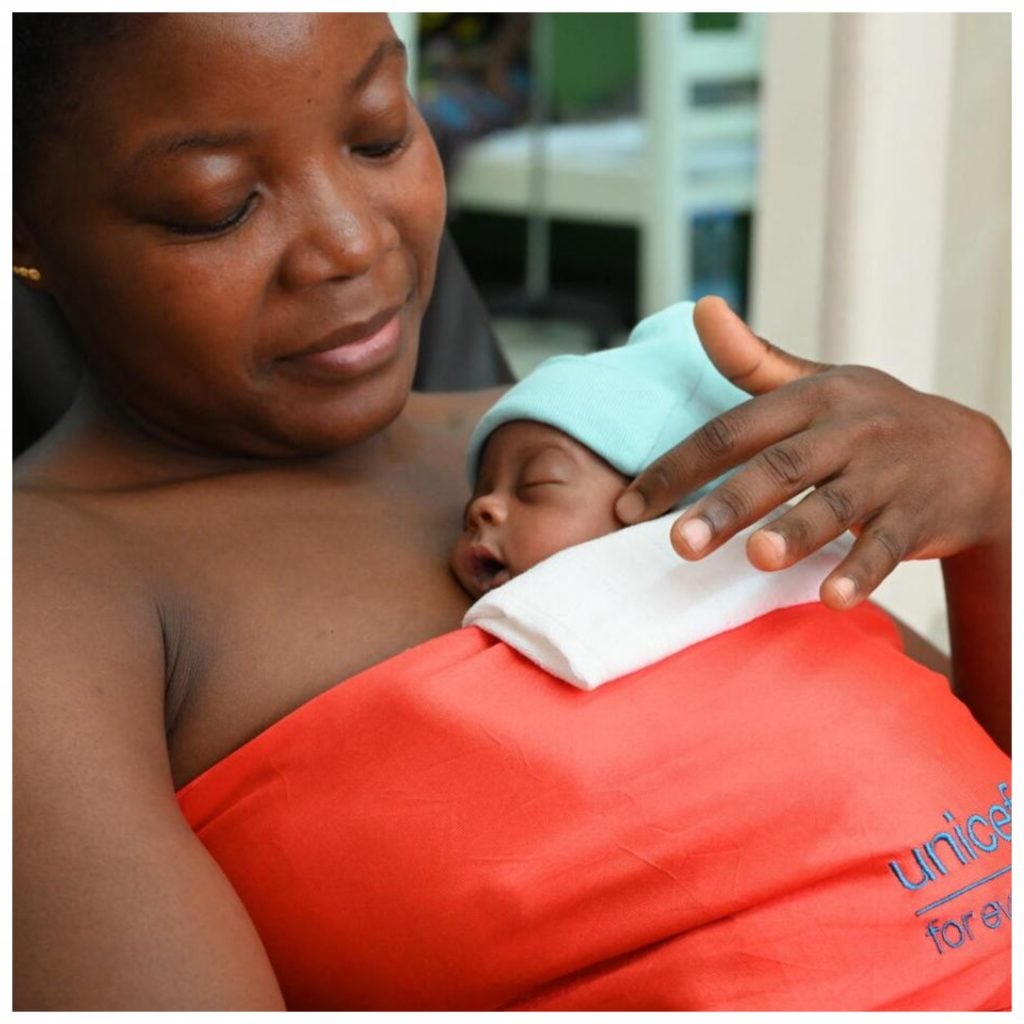
Stakeholders have stressed that access to quality maternal healthcare is a fundamental human right and not a privilege, warning that 200 Nigerian women continue to die daily and 82,000 annually from preventable pregnancy-related causes due to gaps in the health system.
The call comes as Nigeria joined the global community to mark the International Day for Maternal Health and Rights on April 11, amid alarming statistics showing that the country accounts for a significant share of global maternal deaths, most of which are preventable.
In a statement sent to PUNCH Healthwise, they stressed that without urgent investment, stronger health systems, and sustained collaboration across sectors, efforts to reduce maternal mortality may yield limited results.
The statement further noted that available data showed Nigeria records about 82,000 maternal deaths annually, representing nearly a third of global maternal deaths, with complications arising during pregnancy, childbirth, or shortly after delivery.
Maternal deaths, the stakeholders stated, are often caused by conditions such as severe bleeding, infections, hypertension-related complications, unsafe abortions, anaemia, and obstructed labour.
They noted that postpartum haemorrhage remains the leading cause of maternal mortality globally, accounting for about a quarter of deaths, underscoring the need for timely access to effective and evidence-based interventions.
The stakeholders emphasised that most of these deaths are preventable with access to quality healthcare, skilled birth attendants, essential medical supplies, and affordable medicines.
They added that tackling the crisis requires a holistic approach that integrates prevention, improved nutrition, and strengthened healthcare delivery systems, particularly in low-resource settings.
Emzor’s Head of Department at Zolon Healthcare, Mr Obi Onwuzor, emphasised that every woman deserves access to safe pregnancy and childbirth services.
“Maternal health is not a privilege but a fundamental right. Every woman deserves access to safe pregnancy, childbirth, and postnatal care,” he said.
Onwuzor noted that achieving this requires deliberate investment, innovation, and collaboration among government, private sector players, and other stakeholders.
He further stressed the need for a holistic approach, including prevention, nutrition, and access to essential medicines.
“Improving maternal health outcomes requires a holistic approach—from prevention and nutrition to access to life-saving medicines,” Onwuzor said.
Also speaking, the Head of Marketing at Emzor, Mr Kunle Faloye, said the company is supporting healthcare systems with affordable pharmaceutical products targeting key maternal health needs, including prenatal care and postpartum support.
“We are committed to supporting healthcare systems with high-quality, affordable pharmaceutical products that address critical maternal health needs,” he said.
Faloye added that investments in local manufacturing are aimed at improving access to essential medicines and ensuring supply reliability for better maternal and newborn outcomes.
Through its subsidiary, Zolon Healthcare Limited, the company said it is expanding access to maternal health solutions, including locally produced misoprostol formulations used in managing postpartum haemorrhage and other obstetric conditions.
They warned that unless deliberate steps are taken to improve access to care and strengthen the health system, preventable maternal deaths will persist, with devastating consequences for families and communities.
Copyright PUNCH
All rights reserved. This material, and other digital content on this website, may not be reproduced, published, broadcast, rewritten, or redistributed in whole or in part without prior express written permission from PUNCH.
Contact: [email protected]
