

Former Super Eagles assistant coach Sylvanus Okpala has admitted that current boss Éric Chelle has done a good job with Nigeria, but insists the team will only reach its full potential under a Nigerian manager, Soccernet.ng reports.
Chelle, who took charge in January 2025, arrived at a difficult moment for the Super Eagles. Nigeria had picked up just three points from their opening four World Cup qualifying matches and looked far from convincing. However, the Malian quickly steadied the ship, organising the team and guiding them to a strong run of results.
Under his leadership, the Super Eagles remained unbeaten in regulation time across World Cup qualifiers, recording four wins and two draws from six matches. That run pushed Nigeria back into contention and secured a place in the CAF playoffs. Although, Nigeria ultimately failed to qualify for the 2026 World Cup.
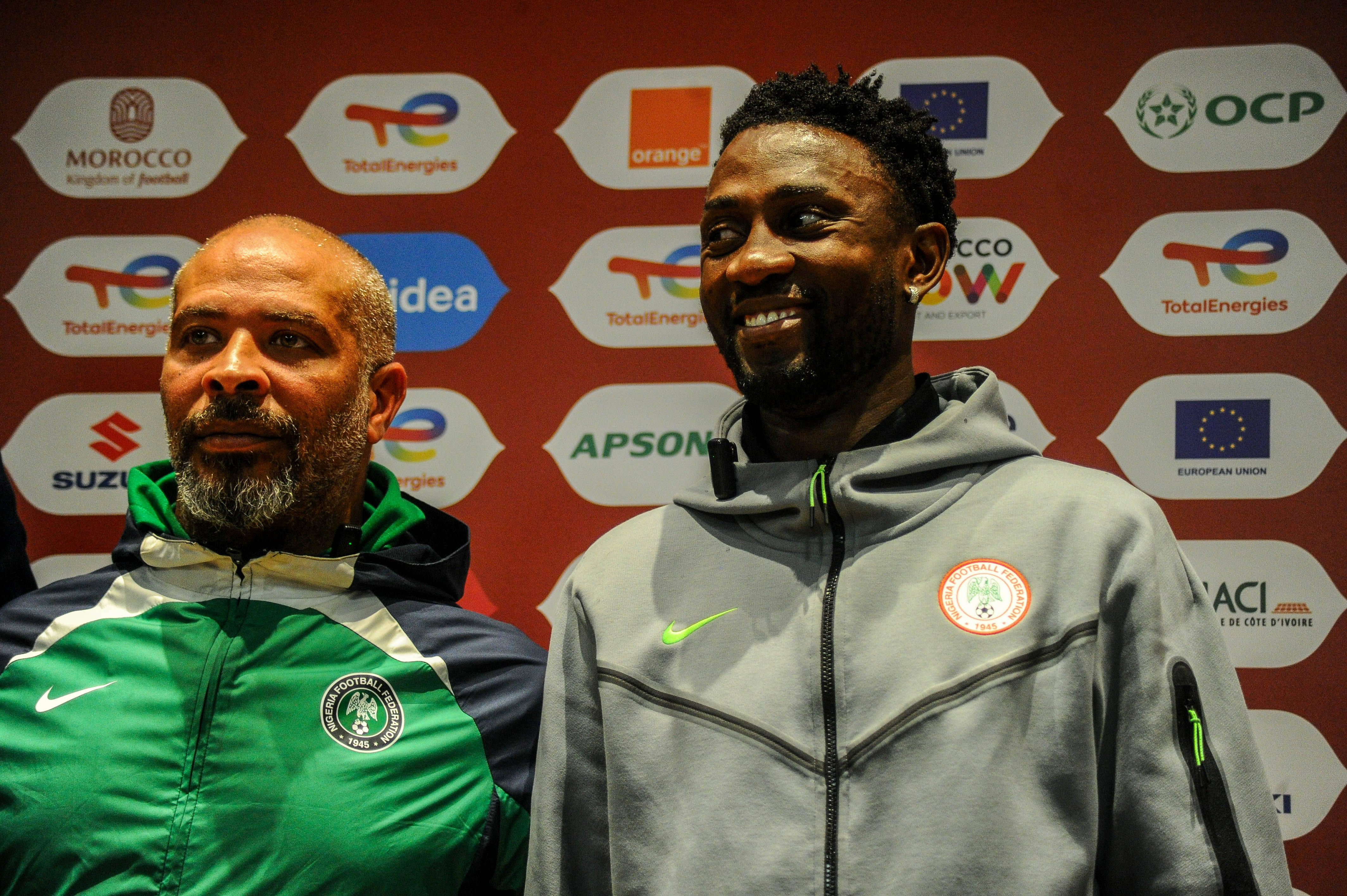
Chelle also impressed at the 2025 Africa Cup of Nations, where Nigeria finished third. His side won five consecutive matches during the tournament and built a solid defensive structure, keeping clean sheets through key knockout games before falling in the semi-finals.
Overall, his record stands at around 14 wins and seven draws in 21 matches, a return that reflects stability and clear progress. His tactical approach has focused on defensive discipline, structured build-up play, and controlled transitions, qualities that were largely missing before his arrival.
Yet despite these improvements, Okpala believes the Super Eagles must look inward for long-term success.
“I am not saying he is not a good coach. He is a good coach,” Okpala told the Punch. “He has his contract to run. I understand he still has about one year left. He has tried his best, and we’ve had fantastic games. But his best is not where we are supposed to be.
“The point here is that from where we are today, and where we need to go, and the height we need to attain, it is Nigerian coaches that will take us there.
“I am not prophesying, I am not a prophet. It is Nigerian coaches that will take us there, and we are here.”
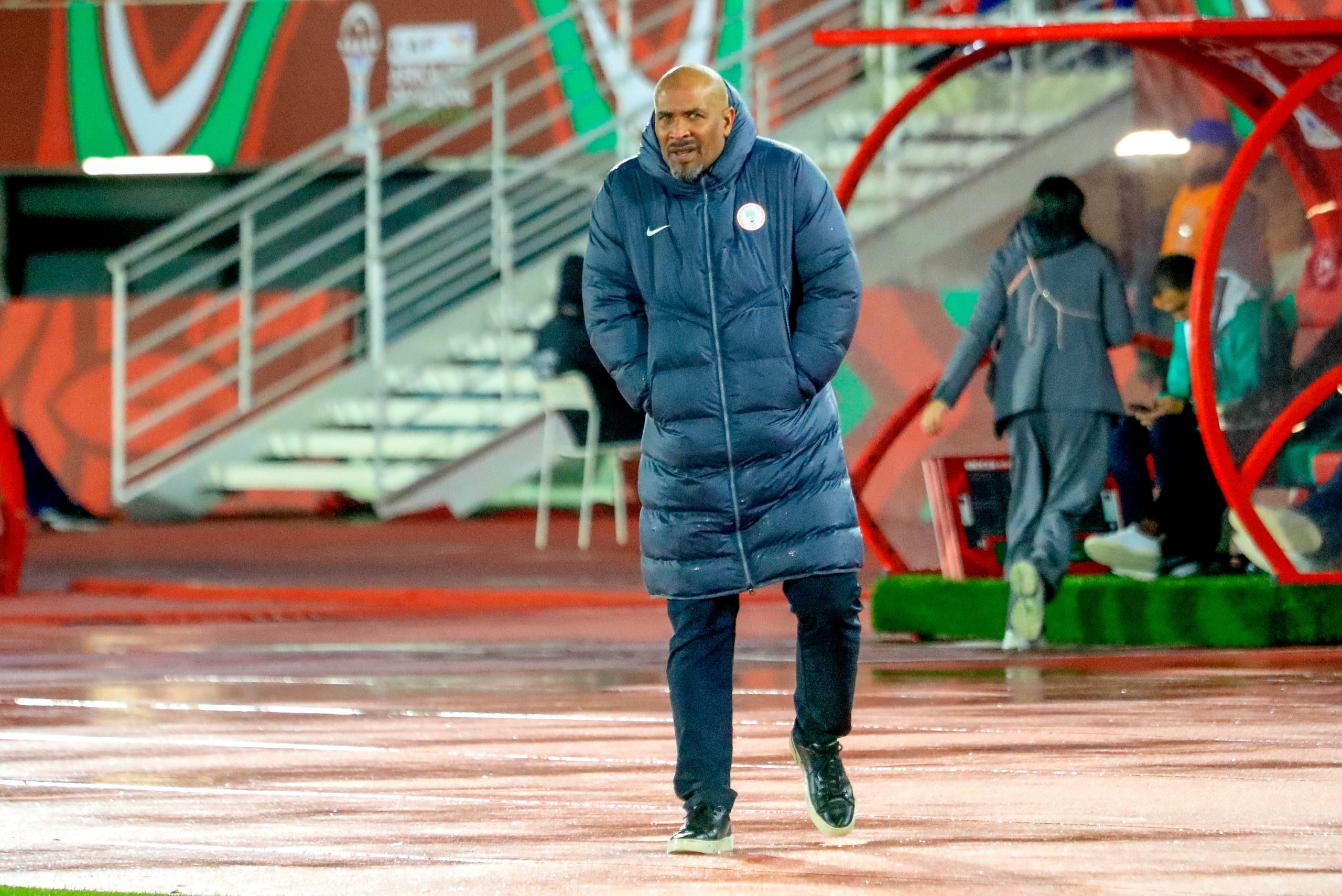
A proud history of Nigerian coaches leading the Super Eagles
Okpala’s comments are rooted in history. Nigerian coaches have played a major role in some of the country’s greatest football achievements, often stepping in during difficult moments and delivering results.
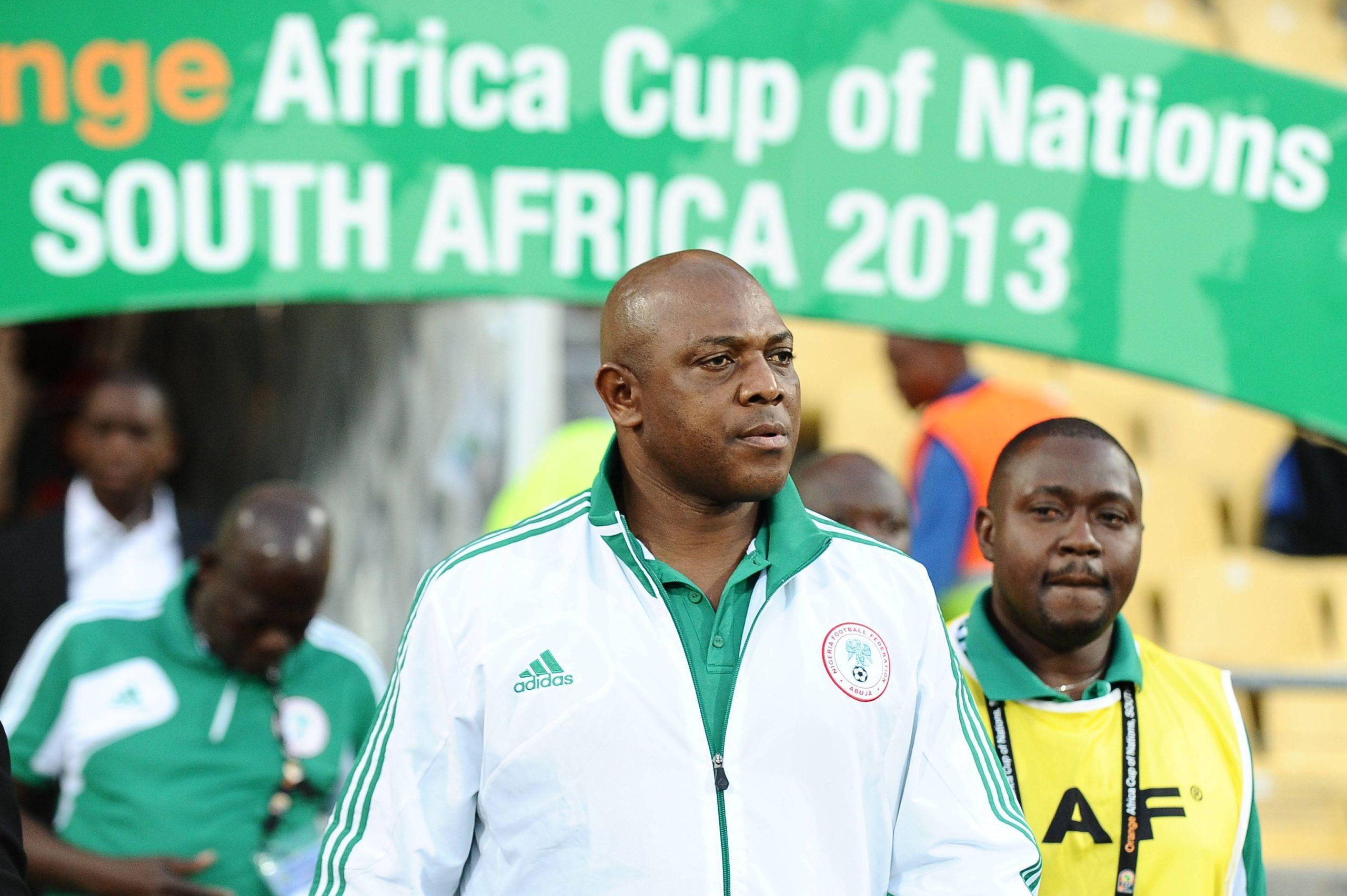
One of the most celebrated figures is Stephen Keshi, who led Nigeria to victory at the 2013 Africa Cup of Nations. Keshi made history by becoming only the second person to win AFCON as both a player and a coach, having captained the Super Eagles to glory in 1994. His 2013 triumph ended a 19-year wait for the title and showed his bold decision to trust home-based players.
Another key figure is Shuaibu Amodu, widely known as a ‘qualifier specialist.’ Amodu guided Nigeria to multiple World Cup qualifications, including the 2002, 2010, and 2014 tournaments, even though he was replaced before the finals on each occasion. He also led the team to third-place finishes at AFCON in 2002 and 2010.
Christian Chukwu, fondly called ‘Chairman,’ also made his mark by leading Nigeria to a bronze medal at the 2004 AFCON, adding to his legacy as one of the country’s most respected football figures.
More recently, Augustine Eguavoen has shown the impact of indigenous coaching. Across different spells, he has maintained a strong record, including leading the team to third place at AFCON 2006 and guiding Nigeria through qualification campaigns. His teams have often played with attacking intent, winning all group-stage matches at both the 2006 and 2022 tournaments.
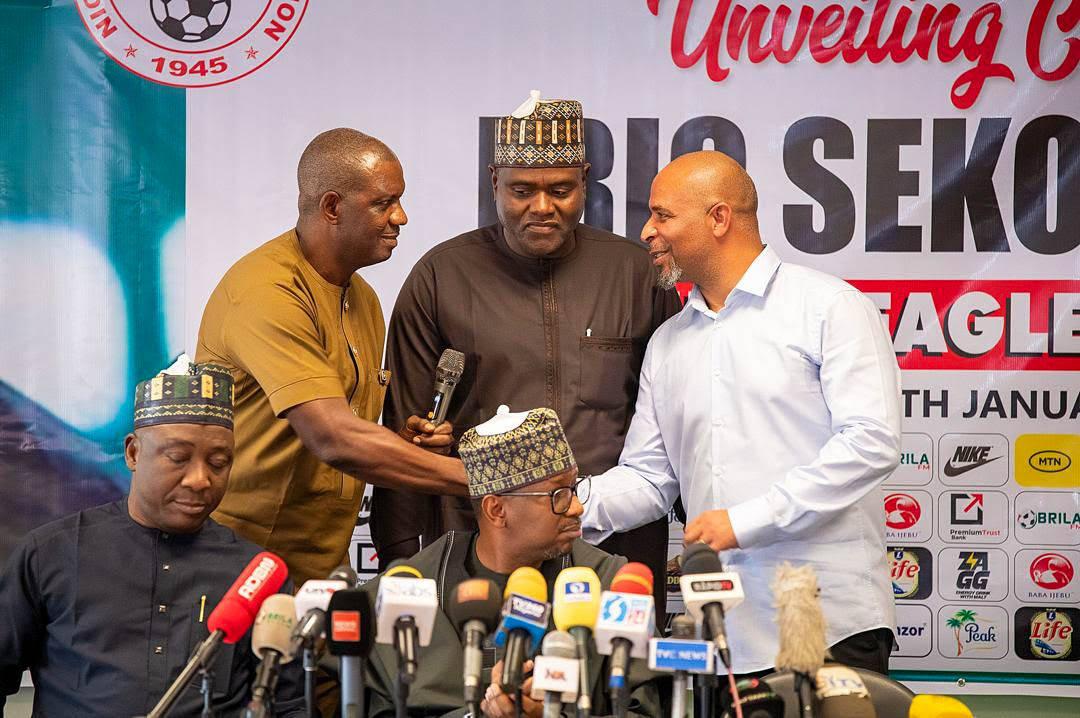
Even earlier, Festus Onigbinde made history by becoming the first Nigerian to take the Super Eagles to a World Cup, achieving that feat in 2002. He had previously guided the team to a runner-up finish at AFCON in 1984.
These Nigerian coaches consistently delivered success, often under challenging conditions. They understand the local football culture, the players’ mentality, and the expectations of the fans.
However, the last Nigerian coach to handle the Super Eagles is Finidi George, who took charge of only two games – against Benin Republic and South Africa – before vacating the role.
