

Supercomputer has predicted if the Super Eagles can still play in the 2026 FIFA World Cup amid the eligibility dispute between the Nigeria Football Federation and DR Congo national football team, Soccernet.ng reports.
Nigeria’s fading hopes of reaching the 2026 World Cup may receive a twist as a large section of the Nigerian football community continues to await a final verdict from FIFA.
The controversy began after the Super Eagles lost to DR Congo on penalties in the decisive African playoff in November 2025.
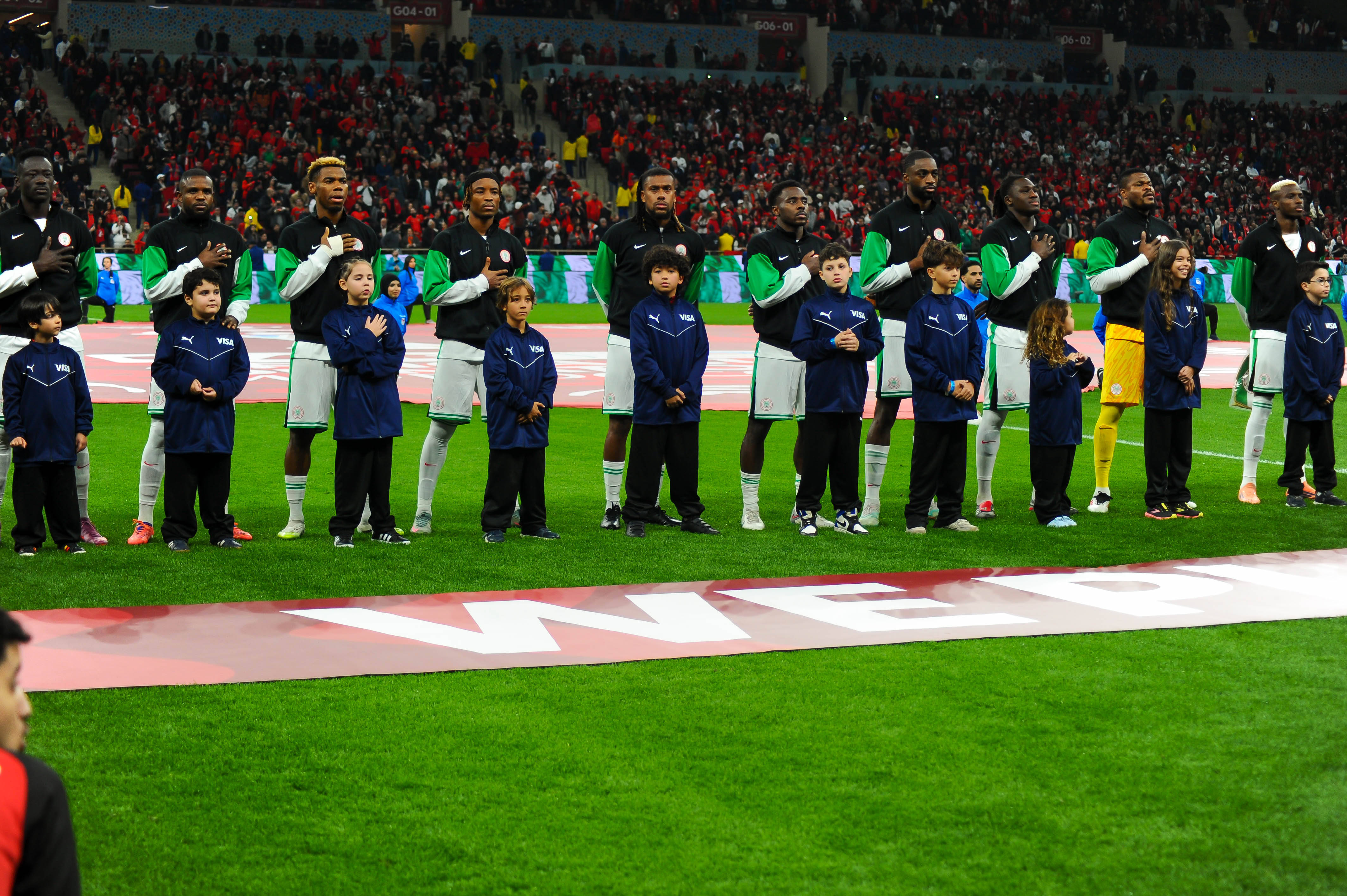
Shortly after the defeat, Nigeria lodged a formal protest, alleging that the Leopards may have fielded players whose nationality switches or eligibility status could be questionable under FIFA regulations.
Can Super Eagles still play 2026 World Cup?
In theory, Nigeria still has a pathway back into the qualification race, but it depends entirely on the outcome of the eligibility case.
If FIFA concludes that DR Congo used ineligible players during the playoff match, the governing body could overturn the result.
In that scenario, the most likely outcome would be a technical victory awarded to Nigeria, which could place the Super Eagles back on the route to the intercontinental playoffs.
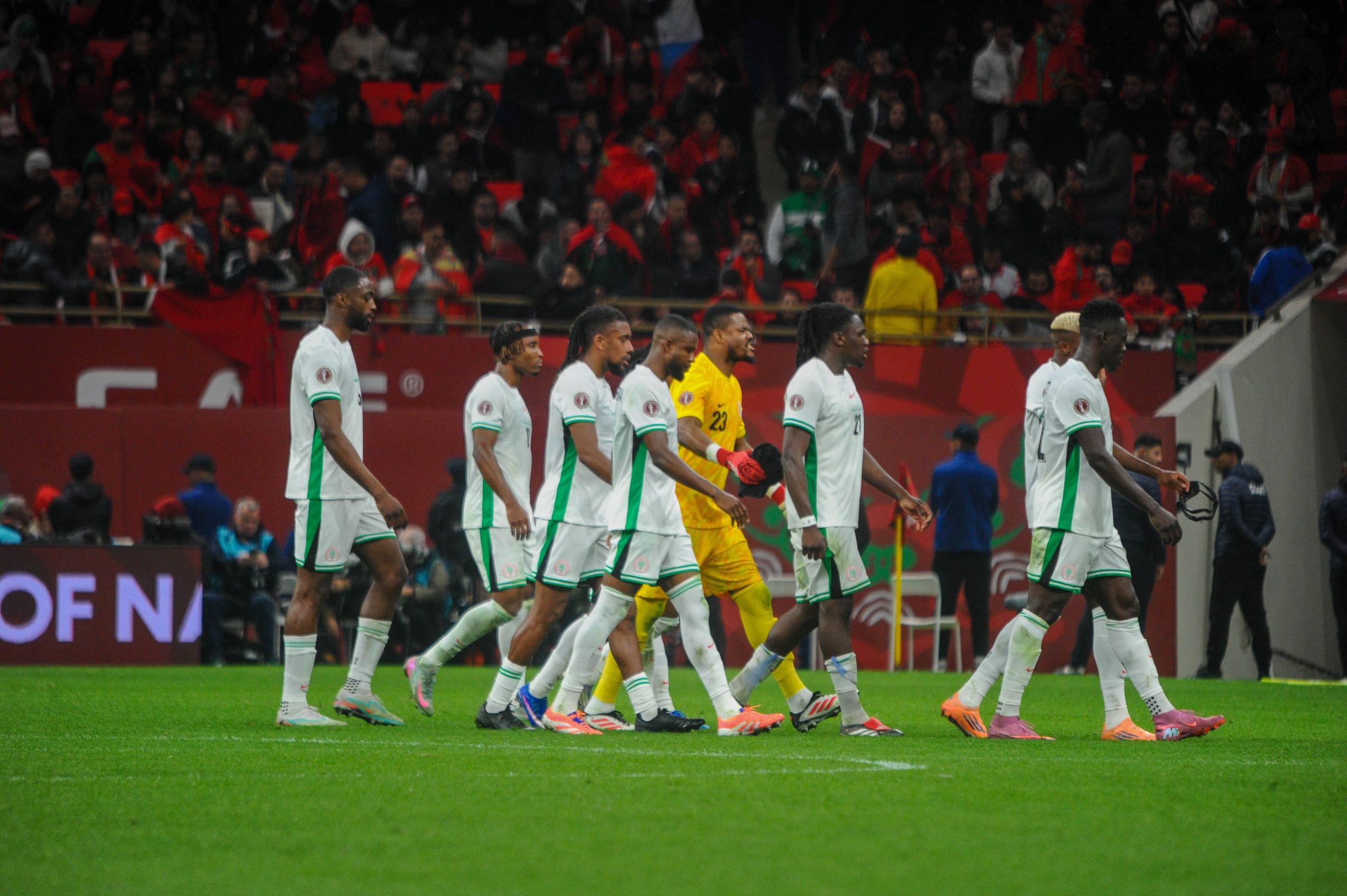
That could see Nigeria replace DR Congo among the six nations expected to compete for the final two spots at the expanded World Cup tournament.
However, an analysis of FIFA’s historical decisions suggests that such reversals are rare, and only occur with clear proof of a player’s invalid passport, unclear nationality switch, or improper registration before the match.
What are the odds of FIFA’s final verdict?
After reviewing similar cases handled by FIFA in recent years, a predictive analysis—a comparison to a supercomputer simulation also known as “AI” (artificial intelligence)—suggests that Nigeria’s chances of winning the case remain limited.
Based on the available information surrounding the protest, the probability of FIFA ruling fully in Nigeria’s favour appears relatively low because eligibility disputes are usually decided strictly based on documentation submitted before the match.
In many cases, once a player possesses a valid passport and receives FIFA clearance to represent a new national team, the governing body considers that member eligible regardless of debates surrounding domestic citizenship laws.
Using those precedents as a guide, an AI prediction estimated roughly a 20%–30% chance that the ruling could favour Nigeria if the federation successfully proves that FIFA was misled during the nationality approval process.
Conversely, there remains a significantly higher likelihood that FIFA will uphold the original result if the players in question were already cleared to represent DR Congo.
Latest on NFF vs DR Congo eligibility saga
The dispute has remained a major talking point in African football months after the playoff defeat.
Nigeria’s complaint reportedly questioned the eligibility of several DR Congo players who featured in the match, including footballers born or developed in Europe who switched their international allegiance to represent the Central African nation.
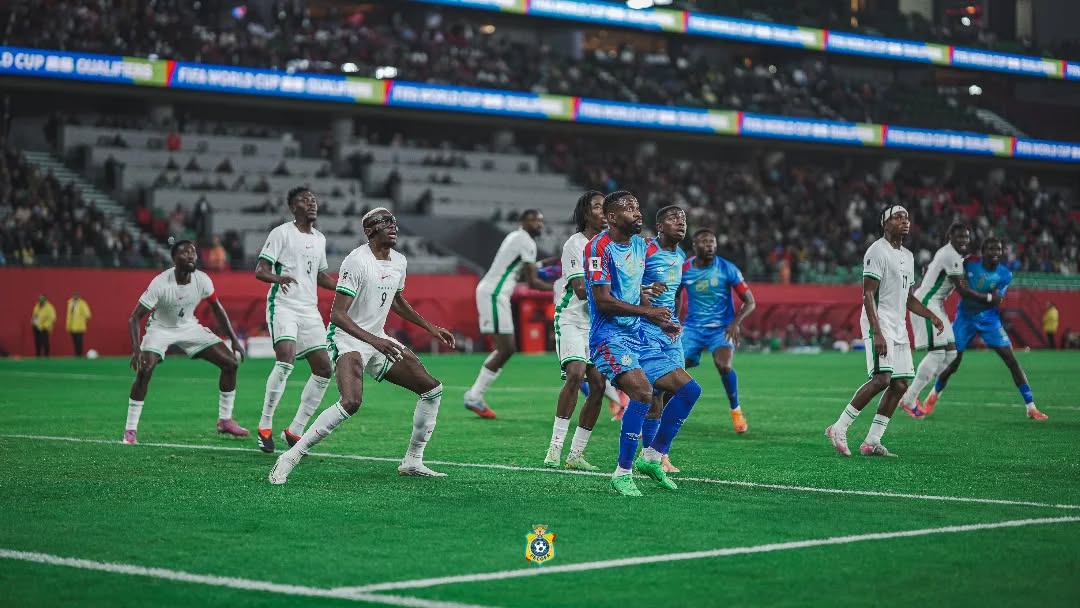
Meanwhile, FIFA has already taken disciplinary action relating to the match itself. Both federations were sanctioned for incidents involving fans during the game, with Nigeria fined for spectators throwing objects and DR Congo penalised after supporters were found to have used laser pointers.
These sanctions, however, are separate from the ongoing eligibility protest.
The Chairman of the National Sports Commission, Shehu Dikko, recently insisted that FIFA has not yet communicated a final decision and urged Nigerians to wait for the case’s conclusion.
Super Eagles remain in a waiting game—with their World Cup dream hanging on a verdict that could either reopen the qualification door or confirm that Nigeria’s journey to the 2026 tournament has truly come to an end.
