

Sami Tunji and Janet Ogundepo
The Federal Government has announced that it will implement 30 per cent of the 2025 capital budget before the end of November, as part of measures to accelerate project execution and settle outstanding obligations.
It also stated that the remaining 70 per cent has been rolled over into the 2026 capital budget to ensure seamless implementation. The move follows a directive to Ministries, Departments, and Agencies to comply strictly with procurement rules in the execution and payment of capital projects under the extended 2025 budget cycle.
In a statement released on Thursday by the Director of Press and Public Relations at the Office of the Accountant-General of the Federation, Bawa Mokwa, the government announced that MDAs had been instructed to fully align with the Public Procurement Act in implementing the 2025 and 2026 capital budgets.
The FG’s deferment is coming a few days after PUNCH Healthwise reported that the release of N36 million out of the N218 billion capital allocation for the health sector in the 2025 budget, amid equipment shortages in public hospitals and a surge in health worker migration, raised concerns among stakeholders about the quality of service delivery to patients.
The Minister of Health and Social Welfare, Prof Ali Pate, had at the 2026 budget defence before the House Committee on Healthcare Services, blamed his ministry’s inability to implement its 2025 capital budget on the gaps between allocated and released funds.
“Out of the N218bn appropriated to the health sector by the parliament for the execution of capital projects in the 2025 fiscal year, only N36m was released,” the minister told the committee.
PUNCH Healthwise’s report revealed that the N36m released represents about 0.015 per cent of the N218bn allocated for the capital project in last year’s budget.
Experts in the health sector had lamented that such development continues to stall critical projects such as hospital upgrades, equipment procurement, and expansion of primary healthcare facilities.
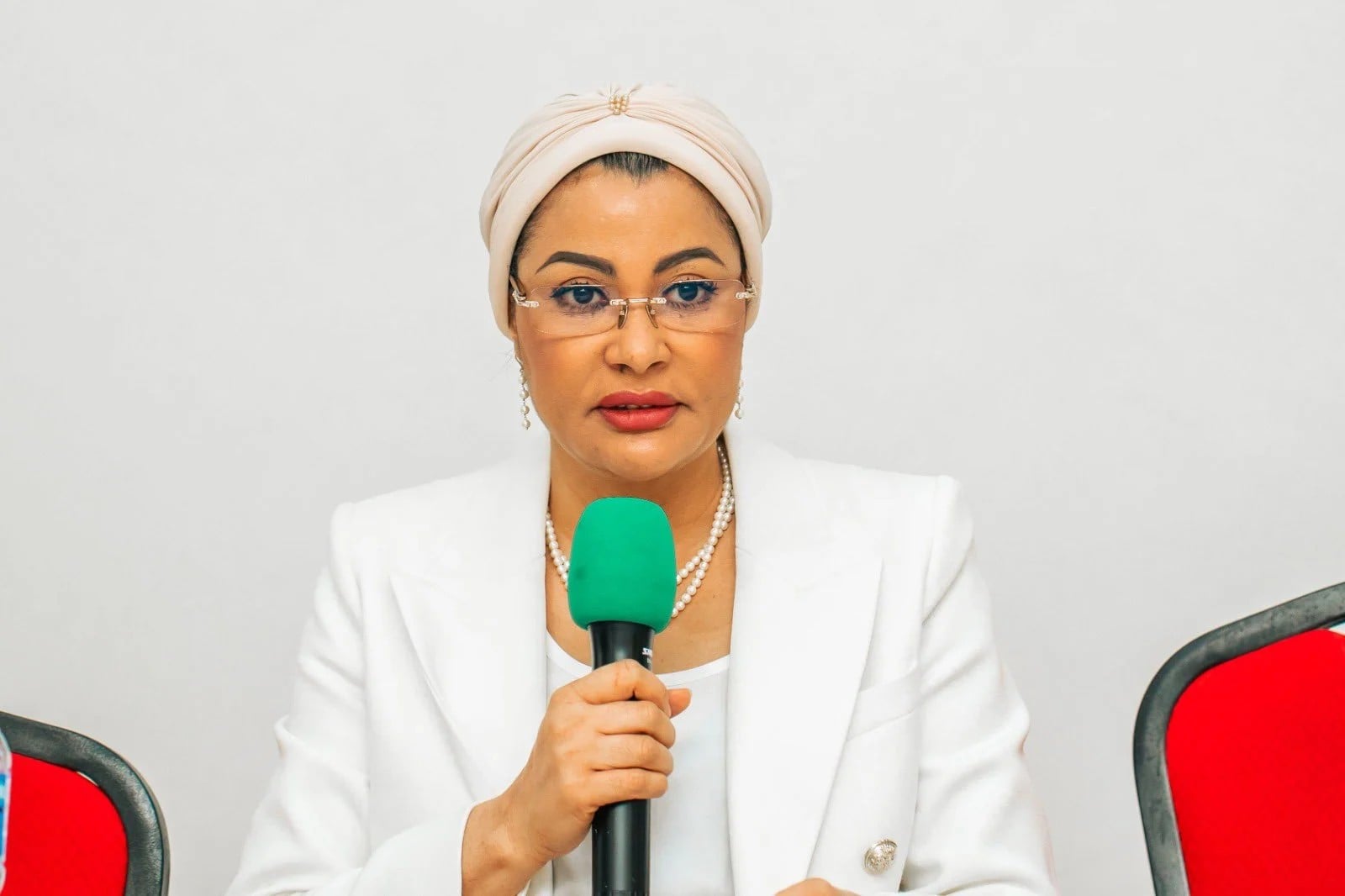
The statement noted that the Minister of State for Finance, Mrs Doris Uzoka-Anite, gave the directive during a stakeholders’ meeting on the implementation of the extended 2025 Capital Budget held at the Federal Ministry of Finance in Abuja.
She stressed that capital disbursements must follow due process.
The statement read, “Mrs Uzoka-Anite emphasised that all capital payments must comply with the principles of the Procurement Act and that capital projects must be backed by cash before execution. She warned that no capital payment should be processed outside approved procurement procedures.”
She added that the country has sufficient funds to settle outstanding obligations and urged MDAs to update their documentation to enable quicker processing of payments.
Providing further details, the Accountant-General of the Federation, Shamseldeen Ogunjimi, disclosed that the Government Integrated Financial Management Information System had been fully restored.
The statement read, “Dr Ogunjimi explained that 30 per cent of the 2025 Capital Budget will be implemented between now and 30 November 2026, while the remaining 70 per cent has been rolled over into the 2026 Capital Budget to ensure seamless implementation, in line with the directive of President Bola Tinubu.
He reiterated that warrants have already been issued to MDAs and announced that Treasury House will commence implementation of the 30 per cent component of the 2025 Budget by the end of next week.”
The decision effectively means that a significant portion of last year’s capital allocations will now be executed within the current fiscal window, while the bulk has been carried forward into the 2026 capital framework to avoid disruption of ongoing projects.
Earlier in his welcome address, the Director of Funds, Mr Steve Ehikhamenor, cautioned MDAs against exceeding approved allocations. He urged them to avoid budget overruns and to adhere strictly to approved project items and their corresponding values.
He also advised agencies not to exceed the amounts specified in their warrants, to return any unutilised or excess funds to the Treasury, and to work closely with GIFMIS officials for technical support.
Copyright PUNCH
All rights reserved. This material, and other digital content on this website, may not be reproduced, published, broadcast, rewritten or redistributed in whole or in part without prior express written permission from PUNCH.
Contact: health_wise@punchng.
