

Idowu Abdullahi
As part of efforts to strengthen the healthcare system through strategic human capital development, the Lagos State Government has screened 60 applicants for the National Health Fellows Programme, Cohort 2.0.
The physical interview held in Lagos, on January 12 and 13, 2026, was organised by the Federal Ministry of Health and Social Welfare in collaboration with the Lagos State Ministry of Health, reflecting ongoing reforms aimed at improving health service delivery nationwide.
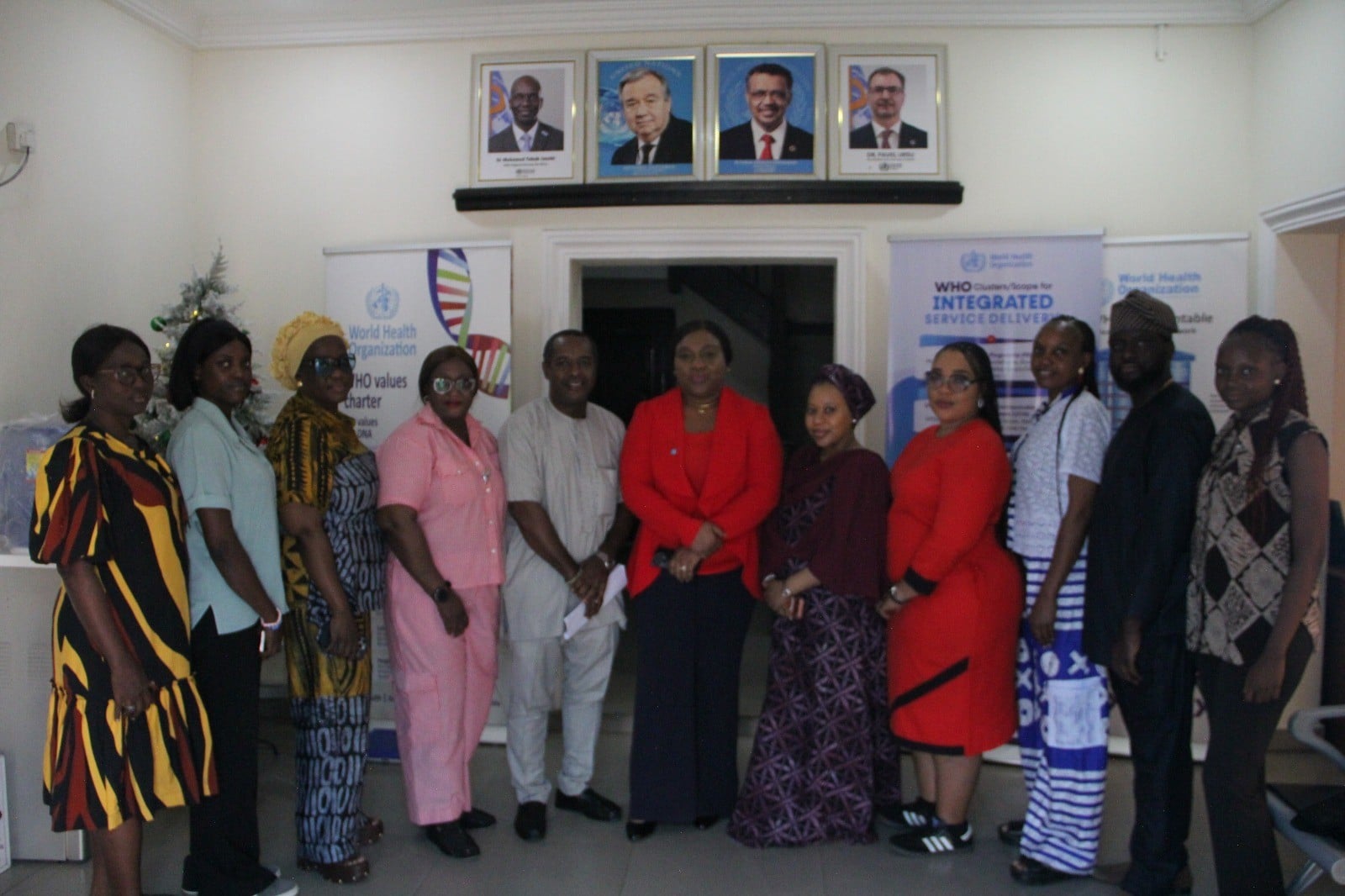
Coordinated through the Sector-Wide Approach Desk Coordinating Office, the interviews were held at the World Health Organisation Lagos Office, Ikoyi. The interview was part of a nationwide selection process.
The nationwide selection process seeks to identify young professionals who will be deployed across Nigeria’s 774 Local Government Areas to support health system governance, service delivery, and accountability at sub-national and grassroots levels.
The National Health Fellows Programme, approved by President Bola Ahmed Tinubu, is designed to build a new cadre of skilled health system professionals who can drive policy implementation and strengthen health outcomes in line with national priorities.
In Lagos, 60 shortlisted candidates—three from each of the state’s 20 Local Government Areas—participated in the final interview stage, from which 20 fellows will be selected to ensure equitable representation and impact across the state.
Speaking on the exercise, a representative of the SWAp Desk Office at the Lagos Ministry of Health, Dr Oyeyemi Ogunjobi, said it was in line with Lagos’ commitment to building a capable and future-ready health workforce aligned with national reform goals.
She explained that the NHFP provides an opportunity to identify and nurture young Nigerians who are passionate about public service and equipped to contribute meaningfully to health system planning, governance, and service delivery at the grassroots.
According to her, the transparent and merit-based process assessed candidates on motivation, leadership potential, teamwork, communication skills, and ethical values.
She added that the selected fellows would support Lagos’ health priorities within the SWAp framework.
Also commenting on the process, the WHO State Coordinator for Lagos, Dr Chinenye Okafor, described the quality of candidates interviewed as impressive, noting that they came from diverse professional backgrounds.
She said the candidates demonstrated competence, commitment, and a strong desire to contribute to health system transformation in Lagos and across Nigeria.
Okafor commended the collaboration between the FG and Lagos, describing Lagos as a trailblazer and expressing optimism that the fellows would help the state maintain its leadership in health sector innovation and performance.
From a regulatory and financing perspective, the Deputy General Manager of the Lagos Zonal Office of the National Health Insurance Authority, Dr Abraham Bethuel-Kasimu, said the interview process was objective, transparent, and technologically driven.
He explained that candidates were assessed using a real-time online scoring portal that eliminated bias and ensured fairness, stressing that no single panelist could influence the final outcome and that all candidates were given equal opportunity.
On primary healthcare delivery, the Deputy Director of the Lagos State Primary Health Care Board, Dr Kehinde Ososanya, described the programme as a laudable federal initiative aimed at grooming young leaders capable of strengthening primary healthcare delivery at the local government level.
He said the selected fellows would work closely with local government health departments, supporting service delivery, data analysis, community engagement, immunisation, antenatal care, and other maternal and child health services.
The interviews were conducted by a seven-member multi-sectoral panel comprising representatives of the WHO, Lagos ministry of health, Lagos primary health care board, the Association of Local Governments of Nigeria, academia, and community-based organisations, with the federal ministry of health and social welfare and the NHIA serving as observers.
Each candidate underwent credential verification, self-introduction, and structured assessment based on predefined criteria to ensure uniformity and fairness throughout the process.
The final selection of 20 fellows—one per LGA—is expected to strengthen health system coordination, service delivery, and reform implementation across Lagos.
Copyright PUNCH
All rights reserved. This material, and other digital content on this website, may not be reproduced, published, broadcast, rewritten or redistributed in whole or in part without prior express written permission from PUNCH.
Contact: health_wise@punchng.
